
o1 is in beta. Access limited to developers on tier 5.
OpenAI o1 series models are new large language models trained with reinforcement learning to perform complex reasoning. o1 models think before they answer, and can produce a long internal chain of thought before responding to the user. o1 models excel in scientific reasoning, ranking in the 89th percentile on competitive programming questions (Codeforces), placing among the top 500 students in the US in a qualifier for the USA Math Olympiad (AIME), and exceeding human PhD-level accuracy on a benchmark of physics, biology, and chemistry problems (GPQA).
o1-preview an early preview of our o1 model, designed to reason about hard problems using broad general knowledge about the world. For complex reasoning tasks, this is a significant advancement and represents a new level of AI capability. Given this, OpenAI is resetting the counter back to 1 and naming this series OpenAI o1.
As an early model, it doesn't yet have many of the features that make ChatGPT useful, like browsing the web for information and uploading files and images. For many common cases, GPT-4o will be more capable in the near term.
Key Features
- Enhanced Reasoning: Trained to spend more time thinking before responding, solving harder problems in science, coding, and math.
- Advanced Problem-Solving: Excels in challenging tasks like physics, chemistry, biology, and complex mathematics.
- Performance in Math and Coding: Scored 83% on International Mathematics Olympiad (IMO) qualifiers and reached the 89th percentile in Codeforces coding competitions.
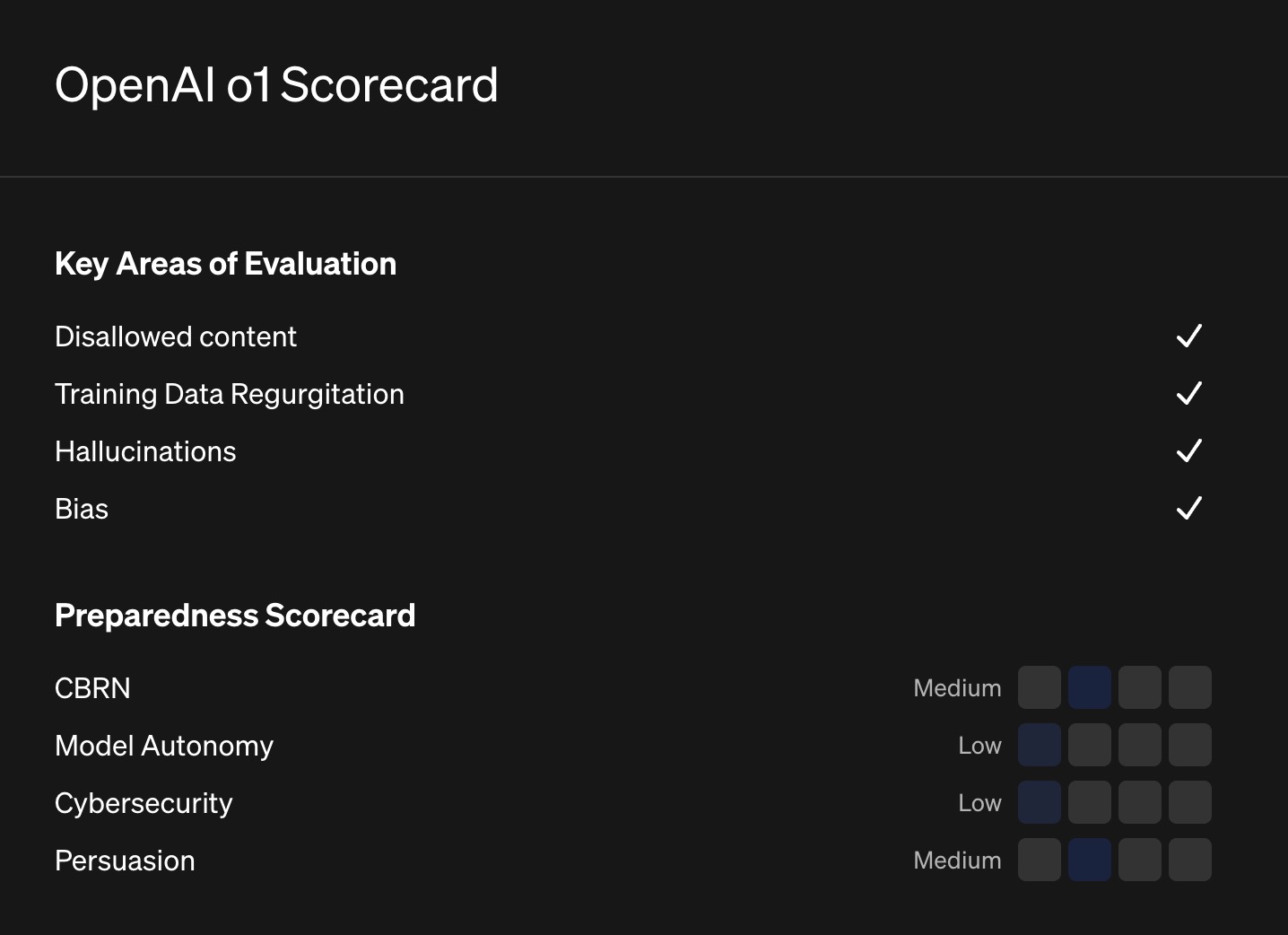
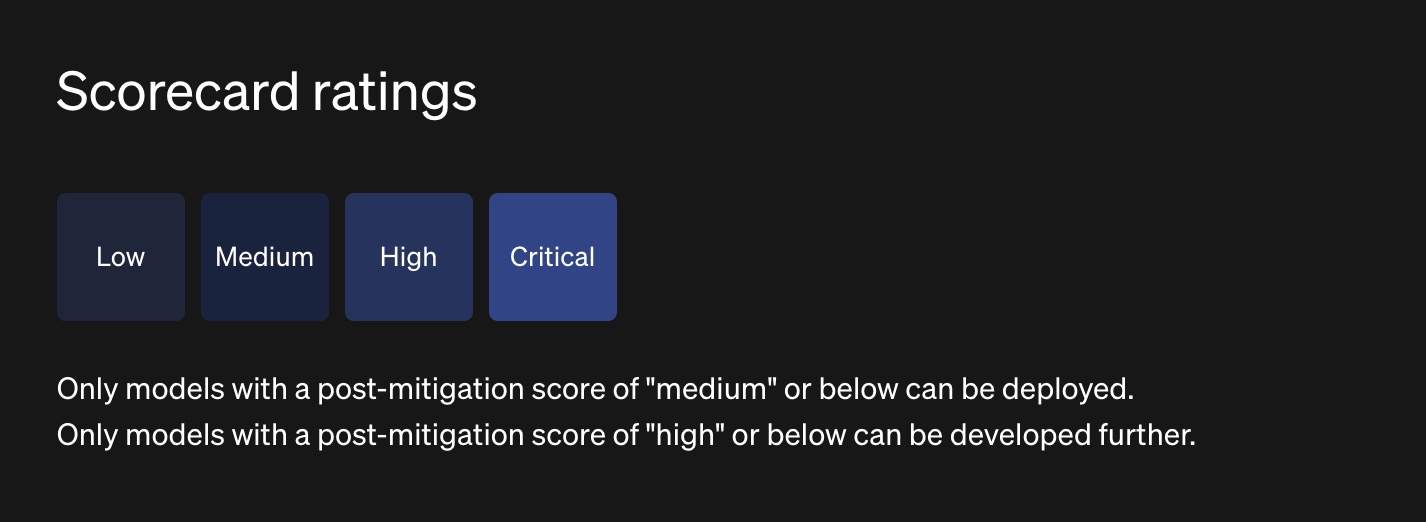
- Improved Safety Features: Utilizes reasoning to follow safety and alignment rules, scoring 84 on difficult jailbreaking tests (compared to 22 by GPT-4o).
- AI Safety Partnerships: Collaborating with U.S. and U.K. AI Safety Institutes, providing early access for research, evaluation, and safety testing.
- Target Users: Designed for researchers and developers tackling complex problems in fields like healthcare, quantum physics, and multi-step workflows.
Langbase Recommendations
- STEM Developers: Ideal for building applications that require mathematical reasoning or multi-step workflows.
- Researchers in Science and Math: Great for generating complex formulas and analyzing data in fields like quantum physics or biology.
- Data Analysts: Suitable for data-heavy tasks requiring advanced reasoning and problem-solving capabilities.
- AI Developers: Cost-efficient option for creating AI applications focused on coding, math, and other STEM areas.
- Workflow Automation: Beneficial for those who need to build and execute multi-step workflows, particularly in data analysis, machine learning, and software development.